
A commercial coffee machine is built to pull espresso shots back to back for hours without the temperature, pressure or shot quality drifting between customer one and customer one hundred. That is the real line that separates it from a domestic bean-to-cup machine, even a good one. If you already have a Breville or Jura in mind for a home kitchen, my fully automatic coffee machines guide covers that ground instead. This list is for a strictly commercial buyer: a cafe fitting out a new counter, a restaurant replacing a tired machine, or a business setting up a self-serve coffee point that needs to survive real daily volume.
Commercial machines split into a few real categories that matter more than brand name. Espresso machines come as heat exchanger (one boiler handles brewing and steaming, cheaper to run but can drift under heavy simultaneous use), dual boiler (independent brew and steam boilers, more consistent, the step up most cafes eventually make) and multi-boiler (a dedicated boiler per group head, built for hotel and high-volume restaurant service). Alongside those sits fully automatic commercial bean-to-cup equipment, aimed at an office or self-serve counter that needs consistent drinks without a dedicated barista on hand.
The number worth anchoring to here is not bar pressure (every machine on this list clears that easily); it is group head count and how it maps to real cups per hour. A single group machine run by one barista realistically covers a small office or coffee cart. A two or three group machine, run by one or two baristas working the same bar, is what a working cafe floor needs to clear a morning rush without a queue forming out the door.
Every machine below made this list on real evidence: Australian distributor and service-network depth, forum and repair-thread reports from CoffeeSnobs and home-barista.com, and direct sourcing from Australian commercial equipment suppliers, not marketing copy alone. Where the evidence for a widely marketed machine was thin, that is said plainly rather than papered over (see “How I Compared It” below). Still deciding whether you actually need commercial-grade equipment at all, rather than a strong domestic machine? Start with my guide to choosing the best coffee machine before you commit to the cafe-grade end of the market. Coffee machines also fall under general electrical appliance safety rules, so read the ACCC Product Safety guide to buying second-hand products (including how to check for recalls) before installing any second-hand commercial unit.
For a cafe doing serious volume, the La Marzocco Linea PB remains the benchmark commercial machine in Australia, backed by the country’s most well-documented dedicated service network rather than a single importer. Below that, match the machine to the job: a small office or coffee cart wants a different pick entirely to a high-volume cafe floor.
The 10 Best Commercial Coffee Machines in Australia Compared
| Product | Type | Best For | Key Spec |
|---|---|---|---|
| La Marzocco Linea PB | 2-3 group, dual boiler | High-volume specialty cafes | Independent PID per group |
| Rancilio Classe 7 | 1-3 group, heat exchanger | Steady mid-volume cafes | Digital dosing + shot timer |
| Wega IO / Polaris | 2-3 group, HX / multi-boiler | Long service-life buyers | Proven by a large AU refurb market |
| Bezzera (commercial range) | 1-2 group | European build quality | Two independent AU importers |
| Rocket Espresso R58 | 1 group, dual boiler | Small office or coffee cart | Independent PID dual boilers |
| ECM (commercial/prosumer) | 1-2 group | Boutique, closely-serviced setups | Grouped with Rocket/Bezzera on serviceability |
| Franke A600 | Fully automatic bean-to-cup | High-volume office, no barista | FoamMaster + simultaneous drinks |
| Nuova Simonelli Appia Life | 1-2 group, heat exchanger | Tall cups and glasses | Raised “high cup” group clearance |
| Sanremo (Cafe Racer / commercial) | Flagship vs entry commercial tiers | Competition-grade branding | World Barista Championship association |
| Fracino | Entry commercial / mobile | Coffee carts and trailers | UK-built, mobile-fleet supplier |
How I Compared It
I checked Australian commercial coffee equipment suppliers and distributors (including Coffee Parts, Di Pacci, Moffat and Coffee Machine Warehouse) for current AU availability and service-network depth, read forum and repair threads on CoffeeSnobs and home-barista.com for real owner-reported faults, and looked for any productreview.com.au, Reddit or Trustpilot coverage that exists for machines usually bought business-to-business rather than reviewed by consumers.
Commercial machines are honestly thinner on consumer review platforms than home machines: a cafe owner rarely leaves a productreview.com.au write-up the way a home buyer does, so Australian distributor and service-network depth carried more weight here than usual, alongside the few forum repair threads I could find. Where a heavily marketed machine (Nuova Simonelli Appia Life, Sanremo) had thin independent evidence relative to how hard it is pushed by resellers, that gap is called out directly in its entry rather than smoothed over.
1. La Marzocco Linea PB – Best Overall
1. La Marzocco Linea PB
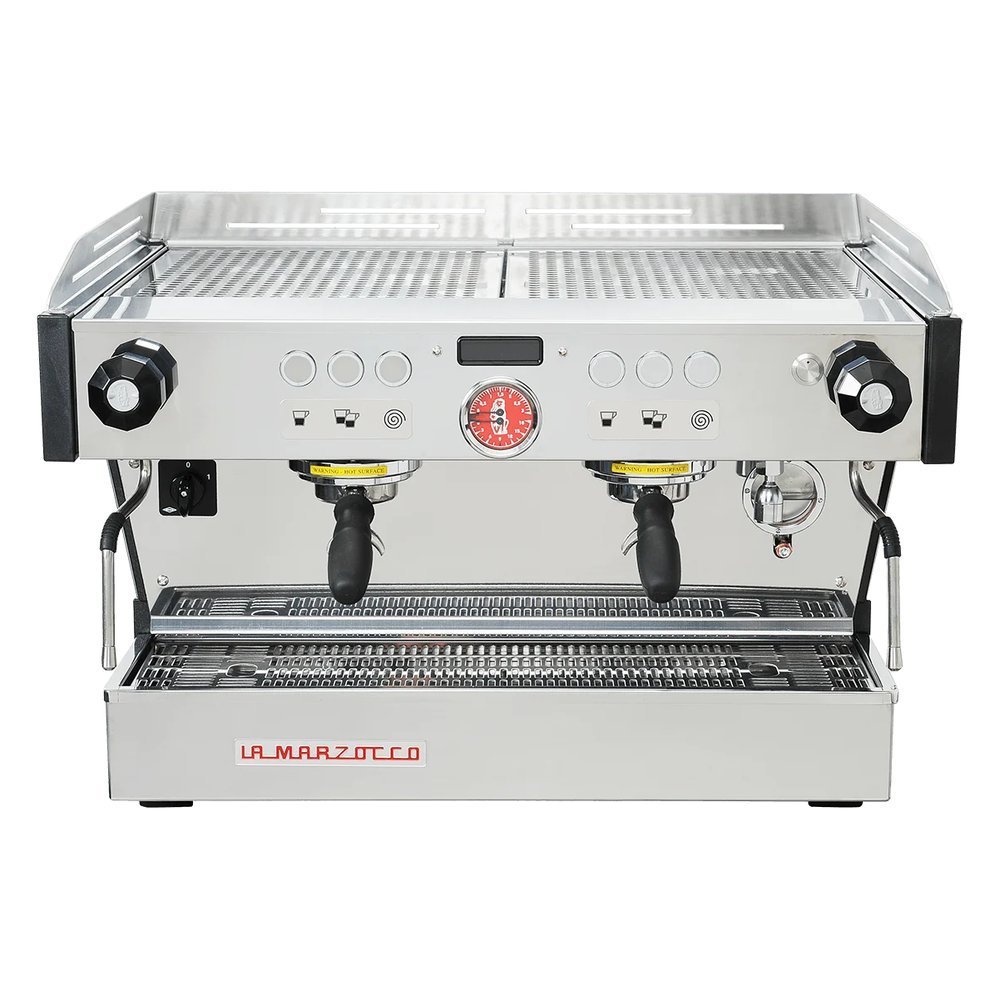
The Linea PB is the machine most Australian trade discussion measures everything else against. It is referenced repeatedly in industry commentary as the default specialty-cafe benchmark, and its independently PID-controlled dual boilers keep shot temperature stable per group even when two baristas are pulling through the same rush.
What sets it apart in an Australian context specifically is the service network behind it. La Marzocco Australia partners with Brewtech across Victoria, New South Wales, Queensland and Western Australia for installation, emergency repair and refurbishment, a level of documented local support most commercial brands in this list simply cannot match.
That said, most of the praise available traces back to La Marzocco’s own distributor network and press coverage rather than adversarial owner complaint threads, so treat the reputation as strong but not yet stress-tested by public criticism the way a mass-market home machine would be.
Pros
- Repeatedly named as the specialty-cafe benchmark other Australian brands get compared against
- Backed by a dedicated multi-state Australian service partner rather than a single importer
- Independent per-group temperature control holds up under simultaneous rush-hour orders
Cons
- Independent owner complaint threads are hard to find; most available evidence comes from the distributor network and press rather than public criticism
- Built for busy cafe volume, not sized or priced for a small office kitchen
2. Rancilio Classe 7 – Best for Steady Mid-Volume Service
2. Rancilio Classe 7
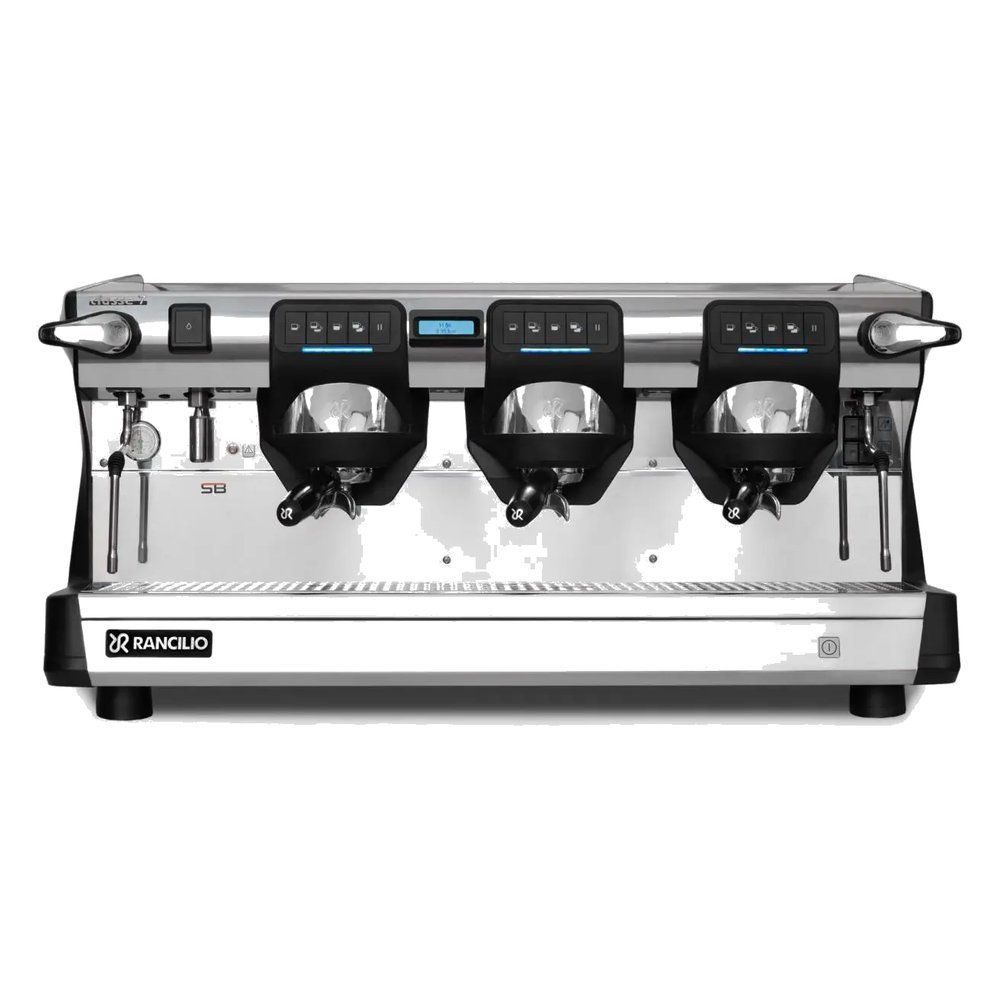
The Classe 7 is a heat exchanger workhorse that adds a USB dosing display, shot timer and auto on/off scheduling over the simpler Classe 5, a well-documented feature step across multiple Australian caterer spec sheets rather than a marketing rebrand.
A home-barista.com repair thread exists for this range describing calcium deposits blocking an orifice ahead of the three-way valve, resolved by a technician. That is real owner-reported fault history rather than only glossy copy. It points squarely at water quality: a cafe on hard Australian tap water needs proper filtration from day one, not as an afterthought.
Multiple independent Australian commercial catering suppliers, including Moffat and Industry Kitchens, stock the range, so parts and servicing are not dependent on a single importer staying in business.
Pros
- A real, sourced repair thread exists, giving documented owner fault history rather than only marketing claims
- Auto on/off scheduling and onboard diagnostics on the Classe 7 are a documented upgrade over the Classe 5
- Stocked by more than one independent Australian commercial caterer
Cons
- The sourced fault (calcium blocking a valve orifice) means a cafe on hard water needs disciplined filtration, not a set-and-forget approach
- As a heat exchanger design, very high-volume simultaneous steaming can show more temperature drift than the dual-boiler machines above it on this list
3. Wega IO / Polaris – Reliable AU-Distributed Pick

3. Wega IO / Polaris
Wega’s strongest evidence is not a review score; it is the sheer scale of Australia’s secondhand market for the brand. One Australian refurbisher alone catalogues 194 workshop-tested units spanning the Atlas, Polaris, Pegaso and Polaris Tron series, a real, if indirect, sign these machines survive long enough in cafes to feed a sizeable used-equipment supply chain.
A dedicated review of the Wega IO EVD points to stable heat exchange performance and solid recovery during busy service, with volumetric dosing that holds consistent across a shift, and two separate Australian commercial suppliers make explicit after-sales and parts-network claims rather than one distributor’s word standing alone.
The trade-off is that this sweep did not turn up independent owner-complaint data on forums or productreview.com.au, so the evidence here is stronger on longevity than it is on day-to-day owner sentiment.
Pros
- A large Australian refurbished market is real evidence of long service life, not just a marketing claim
- Two independent Australian suppliers both back the brand with explicit parts and after-sales commitments
- Volumetric dosing consistency across a shift is specifically documented in a dedicated review
Cons
- No independent owner-complaint threads or productreview.com.au coverage turned up in this sweep
- Older Atlas and Pegaso units are now mostly secondhand stock; buyers wanting new production should look specifically at IO or Polaris Tron
4. Bezzera (commercial range) – Reliable AU-Distributed Pick
4. Bezzera (commercial range)
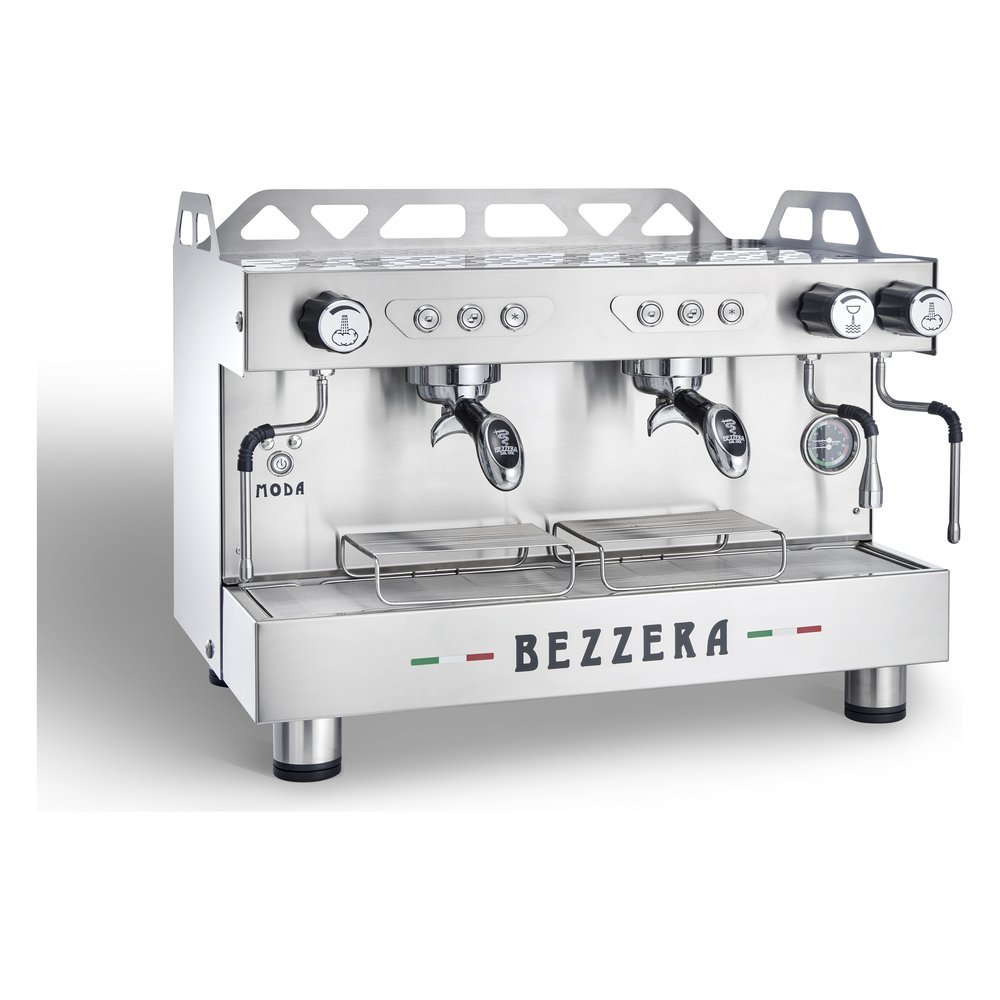
Bezzera is nicknamed “the Mercedes or BMW” of volumetric machines in Australian trade commentary, and the commercial-grade components that reputation is built on carry down into its prosumer-adjacent models too.
The strongest single piece of evidence found for this list is a sourced long-term owner quote describing “10 years of happy ownership… reliable, well made, produce excellent espresso, very easy to use and service, with good backup from Australian distributors,” which is solid multi-year evidence rather than a first-month impression.
Two separate Australian importer channels exist for the brand, which matters more than it sounds: a cafe is not dependent on one company staying in business to keep getting parts.
Pros
- A multi-year owner quote backs up its reliability reputation, not just a first-impression review
- Two independent Australian importer channels reduce the risk of being stranded without parts
- Commercial-grade componentry is shared down through the brand’s more accessible models
Cons
- Beyond that one strong long-term quote, this sweep did not find a wide spread of independent owner reviews
- No productreview.com.au or Reddit thread specifically covering the commercial range was found; evidence here leans on import-channel sourcing
5. Rocket Espresso R58 – Best for a Small Office or Coffee Cart
5. Rocket Espresso R58
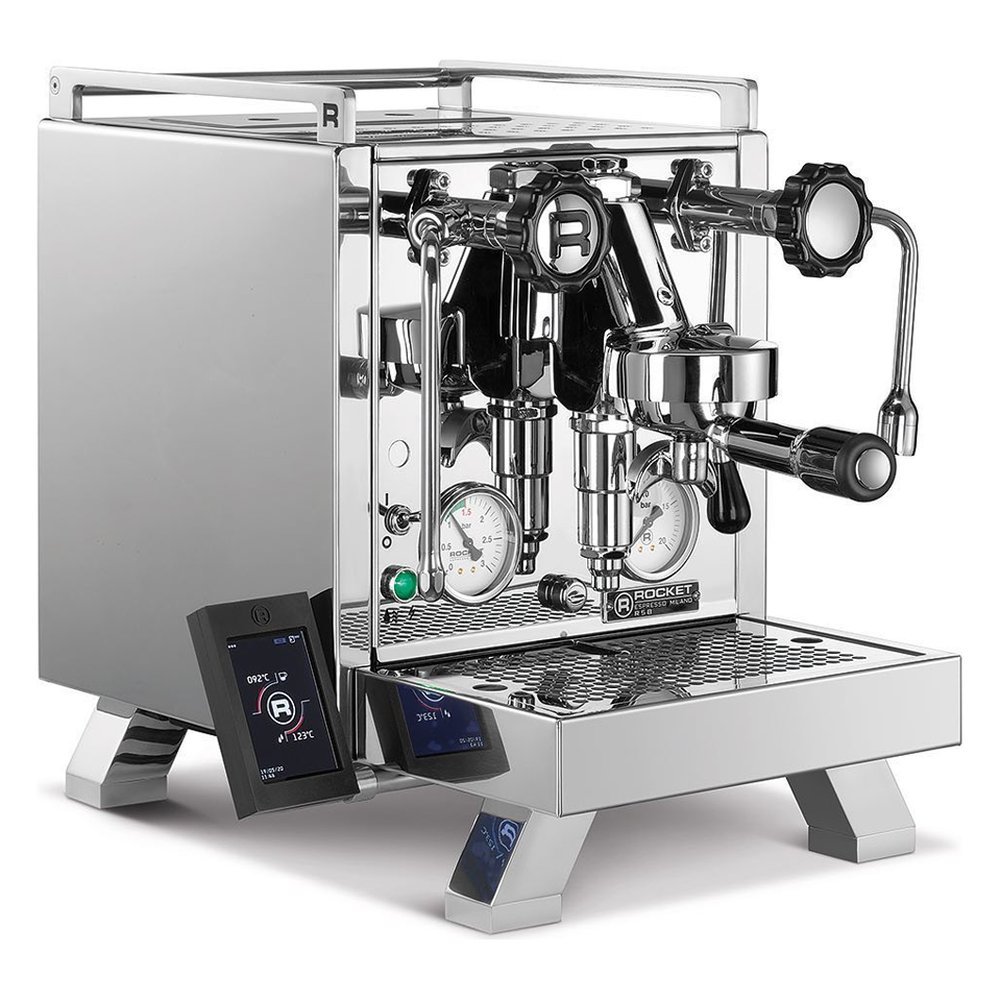
The R58 is a semi-commercial machine at heart, sized for a small office, a coffee cart or a single-barista micro-cafe rather than a busy cafe floor, and it should be judged against that job, not against the higher-volume machines above it on this list.
Its official Australian retailer, Coffee Parts, maintains a dedicated Trustpilot business page for this exact package, giving it more visible third-party Australian customer-feedback infrastructure than almost anything else covered here, alongside independent coverage from several gear-review outlets beyond just the retailer itself.
Independent PID control over both boilers removes the “shot prep outrunning the boiler” failure mode that heat exchanger machines can show under sustained steaming, useful for a single barista running both espresso and milk drinks back to back.
Pros
- A dedicated third-party review page exists through its official Australian retailer, unusually visible feedback infrastructure for this category
- Independently controlled dual boilers avoid the temperature drift heat exchanger machines can show under heavy use
- Covered by multiple independent gear-review outlets, not just its own retailer
Cons
- This sweep confirmed the review page exists but did not extract specific named complaints from individual reviews within it
- Plainly unsuited to a busy cafe floor; positioning it as a high-volume workhorse rather than a small-setup machine would be the wrong call
My beginner’s guide to using a coffee machine is a sensible first stop for whoever ends up running a single-group setup like this day to day.
6. ECM (commercial/prosumer crossover) – Best for a Closely-Serviced Boutique Setup
6. ECM (commercial/prosumer crossover)
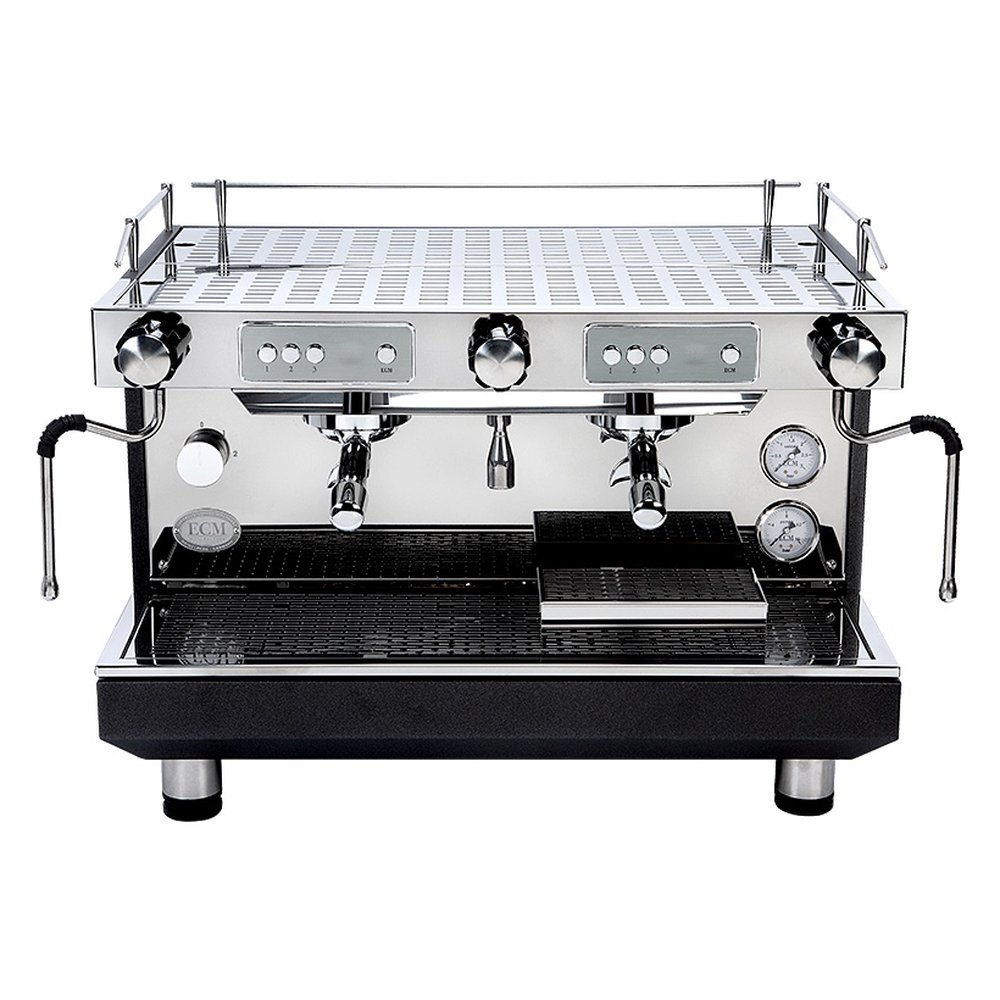
ECM sits in the same trade tier Australian technicians reportedly group with Rocket, Bezzera and Lelit, machines singled out as notably easy to service rather than a headache for a local repairer, which matters more than most spec sheets once a machine is a few years old.
Its Australian distributor states authorised service agents in major capital cities, giving a starting point for local support, though this claim comes from a single source and has not been independently cross-checked in this sweep.
Every piece of praise found for ECM in this research traces back to a retailer that sells the brand, mainly Di Pacci, with no independent forum or review-site corroboration turned up. That is the thinnest independent evidence base in this entire list, and it is worth reading that reputation as plausible rather than settled.
Pros
- Grouped by Australian technicians alongside well-regarded brands for ease of servicing
- A stated multi-city authorised-agent network gives a starting point for finding local support
Cons
- Every source found for ECM in this sweep is retailer-supplied; no independent owner review or forum thread corroborates it
- The multi-city service claim comes from one source only; confirm local coverage directly before buying rather than assuming it
7. Franke A600 – Best Commercial Bean-to-Cup for an Office
7. Franke A600
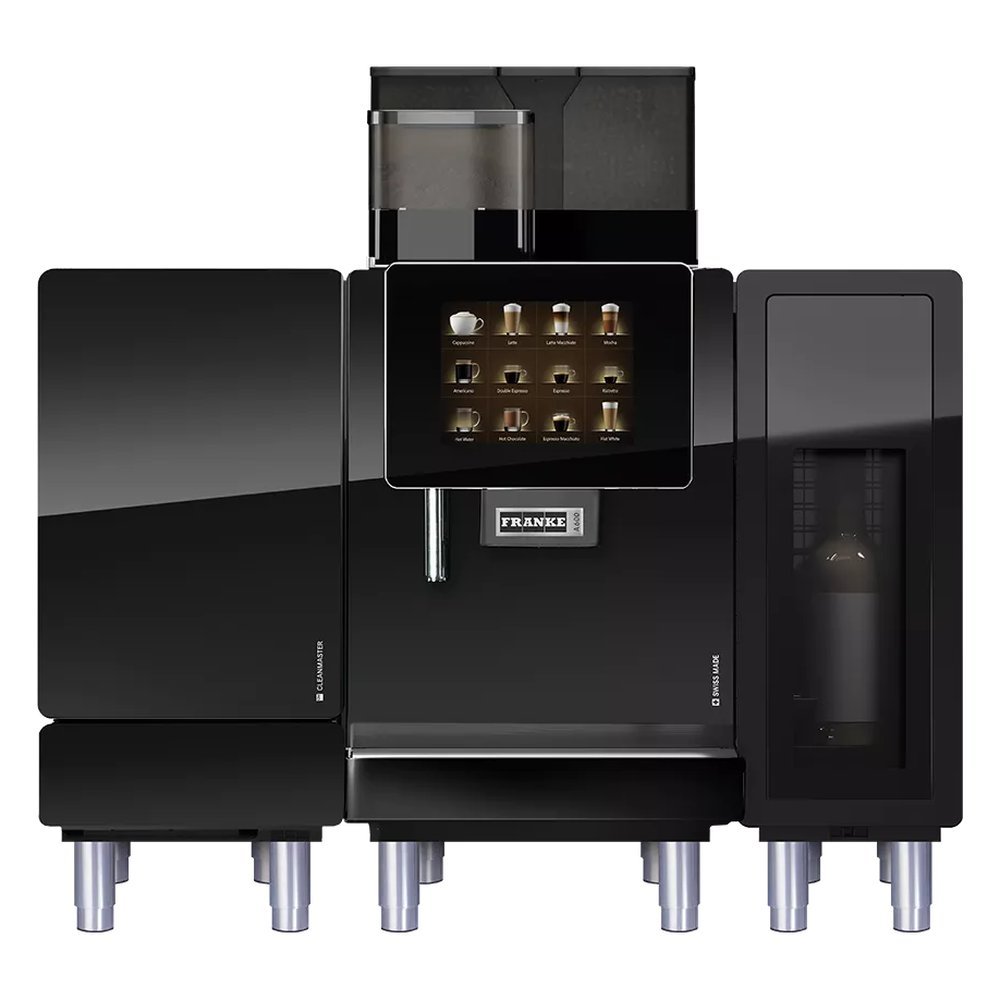
The A600 is built for an entirely different job to everything else on this list: a high-volume office or self-serve counter doing 50 or more cups a day without a dedicated barista, where FoamMaster milk-foam technology and simultaneous multi-drink dispensing matter more than shot-to-shot craft.
It is the only machine in this whole list with a directly sourced Australian lease or rent option, offered through Canny Coffee alongside outright purchase, which is useful for a business that wants to trial a coffee point before committing, rather than buying outright from day one.
Independent Australian review or forum coverage of this specific model was not found in this sweep; everything sourced was retailer or lease-company copy, so its FoamMaster praise should be read as a manufacturer claim until an owner review surfaces.
Pros
- The only machine on this list with a directly sourced Australian lease or rent option alongside outright purchase
- Built specifically for the no-barista office or self-serve counter job, not a cafe machine repurposed for that role
Cons
- No independent Australian owner review or forum coverage was found; current evidence is retailer and lease-company sourced only
- As a fully automatic machine it trades barista control and shot-to-shot craft for hands-off consistency: the right call for an office, the wrong one for a cafe wanting to compete on coffee quality
For a business weighing a bean-to-cup office setup like this against a smaller domestic option instead, my office coffee machine roundup covers the lower-volume end of that decision.
8. Nuova Simonelli Appia Life – Reliable AU-Distributed Pick
8. Nuova Simonelli Appia Life
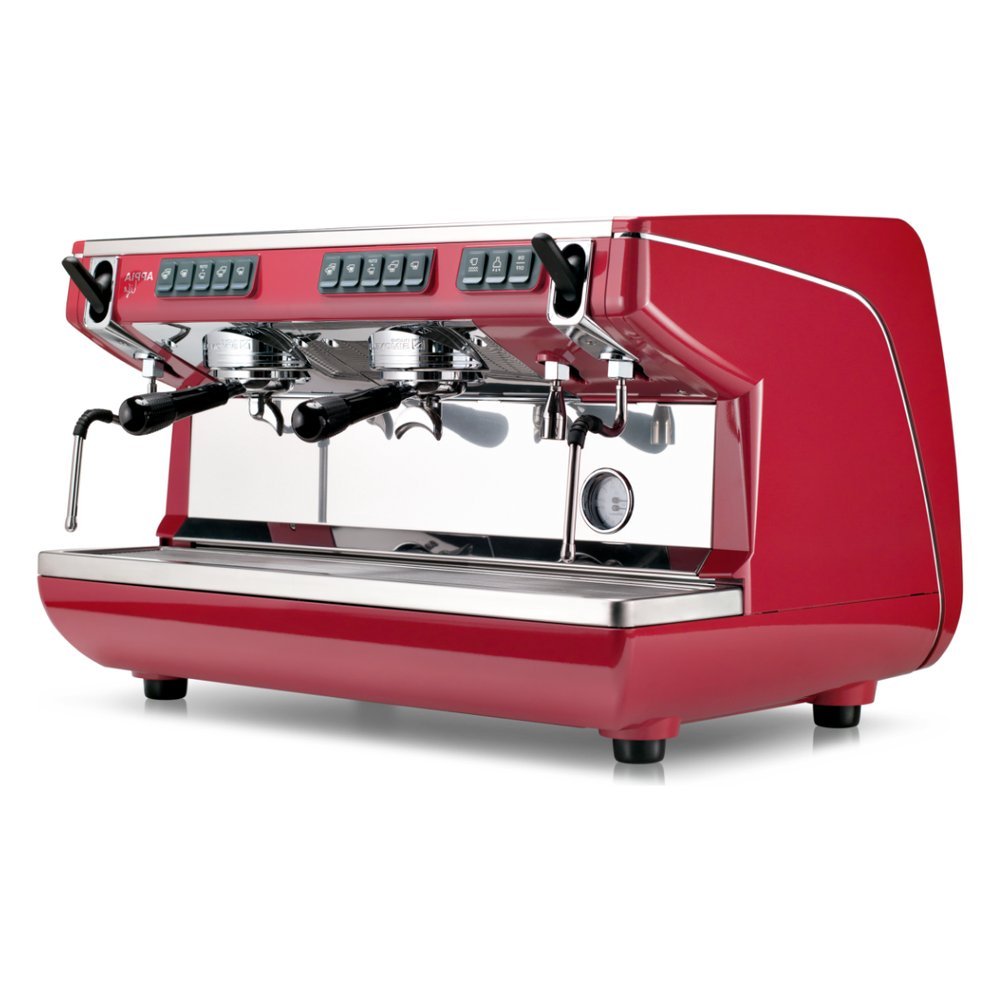
The Appia Life’s raised “high cup” group-head clearance is a real, practical design difference for a cafe pouring into tall glasses, a piccolo served in glass, or an iced drink, rather than a cosmetic tweak, and a high volume of consistently priced secondhand Australian listings suggests these machines have a long working life once installed.
It is worth being direct about the gap here: Australian resellers push this range hard as a best-in-class high-volume choice, but independent owner review volume on productreview.com.au, Reddit or Whirlpool is noticeably thin relative to how prominently it is marketed. The one legacy forum thread found was fairly generic and did not surface a specific current complaint pattern either way.
That does not mean it is a bad machine (the secondhand-market evidence points the other way); it means a buyer should treat retailer enthusiasm as retailer enthusiasm rather than independently confirmed consensus.
Pros
- A real practical design advantage for cafes serving tall glasses, not a cosmetic feature
- Consistent secondhand Australian pricing suggests a long service life
Cons
- Heavily marketed by Australian resellers as best-in-class, but independent owner review volume is thin relative to that marketing push
- The one legacy forum thread found was too generic to confirm a specific current fault pattern
9. Sanremo (Cafe Racer / commercial range) – Reliable AU-Distributed Pick
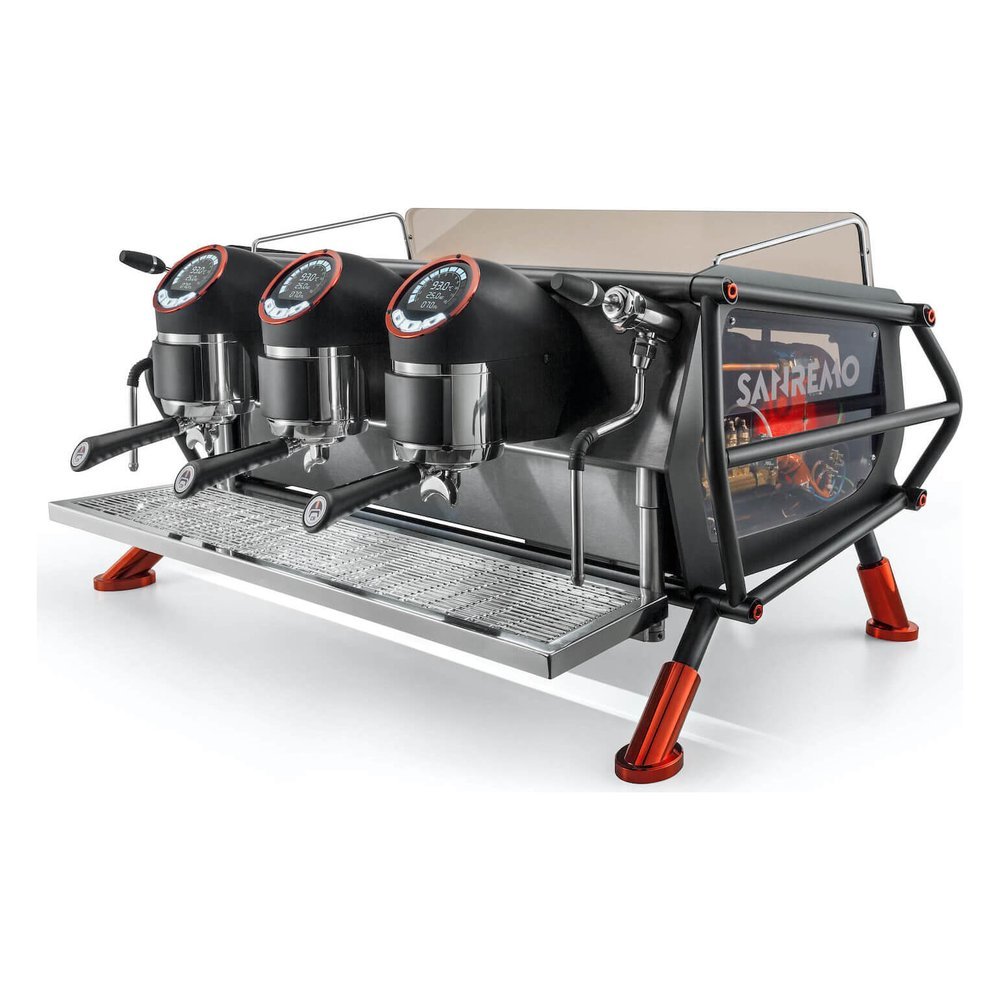
9. Sanremo (Cafe Racer / commercial range)
Sanremo is the clearest split-reputation case in this whole list, and it deserves to be said plainly rather than flattened into one verdict. Its flagship Cafe Racer tier carries a World Barista Championship association and has been confirmed in use at ONA, a well-regarded specialty venue in Sydney, real evidence the top tier turns up in respected settings.
At the same time, the most candid Australian trade discussion found describes Sanremo’s volume and entry-commercial range turning up in cafes “well behind the trend,” often supplied through a roaster giveaway or supply contract rather than chosen on the machine’s own merit. It is essentially a different product wearing the same badge as the competition-grade model.
No specific mechanical complaint was sourced either way for this brand. The honest issue here is positioning, knowing exactly which Sanremo tier is actually being offered, not a documented reliability fault.
Pros
- The flagship Cafe Racer tier is actually used at a well-regarded Sydney specialty venue, not just shown in marketing photos
- A dedicated Australian distributor exists rather than relying on grey imports
Cons
- Its entry/volume range is described in trade discussion as often supplied via roaster giveaway deals rather than chosen on merit, making it a very different product to the flagship model
- A buyer needs to confirm exactly which Sanremo tier is on offer before assuming competition-grade quality
10. Fracino – Best for a Mobile Coffee Cart

10. Fracino
Fracino is the best-evidenced option on this list specifically for a mobile coffee cart or trailer operation; most other machines here are built and marketed for a fixed cafe counter instead. An Australian equipment supplier states directly that it supplies “some of the largest mobile coffee companies in Australia,” a specific, checkable claim rather than vague marketing language.
That is also where the evidence runs out. This sweep found zero independent forum threads, Trustpilot pages or productreview.com.au entries for Fracino in Australia. Every claim (UK manufacturing, majority in-house fabricated components, an unspecified industry innovation award) traces back to the manufacturer or its Australian retailers.
It earns its spot on this list for being the clearest fit for the coffee-cart use case, not because its reputation has been independently tested the way some of the machines above it have.
Pros
- Named directly by an Australian supplier as equipping some of the country’s largest mobile coffee operators, a specific and checkable claim
- The clearest fit on this list for a coffee cart or trailer rather than a fixed cafe counter
Cons
- Zero independent forum threads, review platforms or productreview.com.au coverage found in Australia for this brand
- Build-quality claims (in-house fabrication, an industry award) could not be independently verified in this sweep
How to Choose a Commercial Coffee Machine
Match group head count to real volume, not hope. A single group machine suits a small office or a coffee cart run by one person. A two group machine is the real minimum for a cafe floor, letting one barista pull a second shot while the first is finishing milk. Three groups only earns its keep once two baristas are working the bar together during a proper rush.
Choose the boiler type for how hard you actually run milk drinks. Heat exchanger machines like the Rancilio Classe 7 or Nuova Simonelli Appia Life handle steady mid-volume service well and cost less to run. Dual boiler and multi-boiler machines, the La Marzocco Linea PB and Rocket R58 among them, hold temperature independently under sustained, simultaneous milk-heavy orders, the real reason cafes upgrade.
Check the service network before the spec sheet. A commercial machine that breaks down on a Saturday morning is a lost day of trade, not an inconvenience. Brands with a documented multi-city Australian service partner, La Marzocco’s relationship with Brewtech being the clearest example in this list, are worth weighing more heavily than a marginally better spec on paper.
If a dedicated commercial espresso machine is more than the job needs, for example a small office wanting consistent drinks without a barista, look at a commercial bean-to-cup option like the Franke A600 instead, or step back down to a strong domestic pick in my best espresso machines roundup.
Keep Your Machine Running
Whatever machine you land on, descaling discipline matters even more at commercial volume than it does at home. My generic descaling guide for coffee and espresso machines covers the process every brand above shares, adjusted for how much harder a commercial machine works each day.
Most commercial setups pair with a dedicated grinder rather than an integrated one, and a neglected grinder is one of the fastest ways to wreck consistent shots. See my guide to cleaning a coffee grinder for the routine.
Training a new junior barista on the basics before they touch a commercial group head saves real money in wasted beans and milk. My beginner’s guide to using a coffee machine is a sensible starting point for anyone new to the bar.
Frequently Asked Questions
What is the difference between a commercial and a domestic coffee machine?
A commercial machine is built to pull shots continuously for hours without drifting in temperature or pressure, using components rated for that duty cycle. A domestic machine, even a well-built one like a Breville or Jura, is designed for a handful of drinks a day and will wear out fast under sustained cafe volume.
How many group heads does a cafe actually need?
A single group suits a small office or coffee cart run by one person. Two groups is the real minimum for a cafe floor, letting one barista work ahead. Three groups only pays off once two baristas are actually working the same bar during a rush.
Should I choose a heat exchanger or a dual boiler machine?
Heat exchanger machines cost less to run and suit steady, moderate volume well, and remain the more common choice across mid-tier Australian cafes. Dual boiler and multi-boiler machines hold brew and steam temperature independently, which matters once you are pulling shots and steaming milk simultaneously under sustained rush conditions, which is the point most growing cafes eventually reach.
Can I use a full commercial machine in a small office?
You can, but a full multi-group cafe machine is usually overkill for office volume. A single-group semi-commercial machine like the Rocket R58, or a commercial bean-to-cup unit like the Franke A600, fits an office better than a machine sized and priced for a much higher daily cup count.
How often does a commercial coffee machine need servicing?
Most Australian commercial suppliers recommend a professional service every three to six months depending on water hardness and daily volume, alongside daily backflushing and a strict descaling schedule. Skipping filtration is the most common cause of the group-head and valve faults documented in this list.
Should I buy, lease or rent a commercial coffee machine?
Leasing or renting, currently confirmed for the Franke A600 through at least one Australian supplier, suits a business trialling a coffee point before committing. Buying outright suits an established cafe planning to run the same machine for years, where long-term parts and service access matter more than upfront flexibility.
Verdict
The La Marzocco Linea PB leads for full cafe volume
For a cafe doing real daily volume, the La Marzocco Linea PB remains the benchmark, backed by the strongest documented Australian service network in this list. A small office or coffee cart is better served by the Rocket Espresso R58, sized and priced for that lower-volume job rather than a busy cafe floor. A high-volume office or self-serve counter without a dedicated barista should look at the Franke A600 instead, the only machine here built specifically for that no-barista job and the only one with a confirmed Australian lease option.
